



As Brazil prepares for its presidential election on Sunday, the nation stands at a pivotal juncture that could redefine the political landscape of Latin America. The contest between the incumbent, Luiz Inácio Lula da Silva, and his challenger, Jair Bolsonaro, is more than a local affair; it is a test of the continent's ideological direction.
Lula, the left-wing leader, faces a tight race against Bolsonaro. Recent polls by Datafolha show Lula leading with 42% compared to Bolsonaro’s 38%, though the margin of error is two points. A runoff seems likely, with Lula slightly ahead by 3% in such a scenario. However, polling accuracy remains a concern, as past elections have shown discrepancies.
Brazil's election is not just another left-versus-right contest. It is a significant moment for the Western Hemisphere, which has seen a conservative shift in countries like Colombia, Peru, and Chile. Brazil, as the largest economy in this group, plays a crucial role. Its outcome could influence the region's political trajectory.
Bolsonaro's U. S. Ties and Economic Plans
Bolsonaro has cultivated a close relationship with former U. S. President Donald Trump, positioning himself as a potential ally in the Americas. Their discussions have included organized crime, tariffs, and Brazil's critical mineral reserves, which are essential for reducing Western dependency on Russia and China.
In a move that stirred controversy, Bolsonaro successfully lobbied the U. S. to designate Brazil's largest criminal organizations, the First Capital Command and Red Command, as terrorist groups. This decision, effective since June, was seen by Lula's camp as foreign interference favoring Bolsonaro.
Bolsonaro's campaign also proposes a free-trade agreement with the U. S., potentially expanding into a broader regional arrangement. This aligns with his vision of closer economic and security cooperation with Washington, contrasting sharply with Lula's foreign policy.
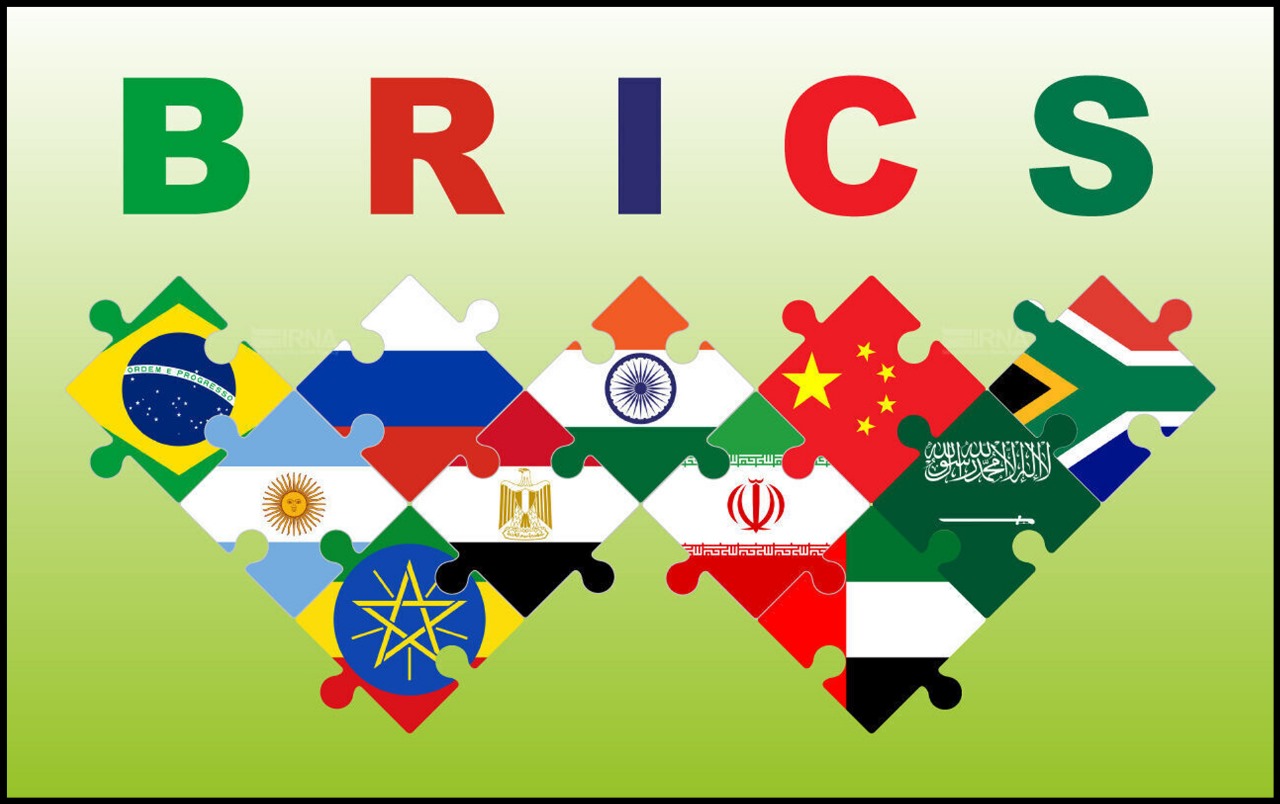
Lula, on the other hand, has maintained strong ties with China, Brazil's largest trading partner. Lula advocates for an independent foreign policy, often at odds with U. S. interests, and has faced challenges in negotiating with Washington over tariffs and visa restrictions.
The election's outcome could significantly alter Brazil's foreign relations. A Bolsonaro victory might lead to a more confrontational stance toward China and closer ties with Israel and the U. S. However, implementing these policies would require navigating Brazil's complex political and economic landscape.
Conversely, a Lula win would likely continue Brazil's current foreign policy trajectory, emphasizing strong commercial ties with China and strategic autonomy from the U. S. This approach could further strain U. S.-Brazil relations, especially given the recent tariffs and visa issues.
As the election heads toward a likely second round, the stakes are high not only for Brazil but also for the broader geopolitical dynamics in the Americas. The result could redefine alliances and economic strategies, impacting both regional and global affairs.


